When floors begin to look worn or damaged, homeowners often face the same question: should the existing floors be restored, or is it time for a full replacement? The right answer depends on the condition of the flooring, the home’s structure, and long term goals.
For California homeowners, understanding the difference between restoration and replacement can save time, money, and unnecessary disruption.
What Floor Restoration Really Means
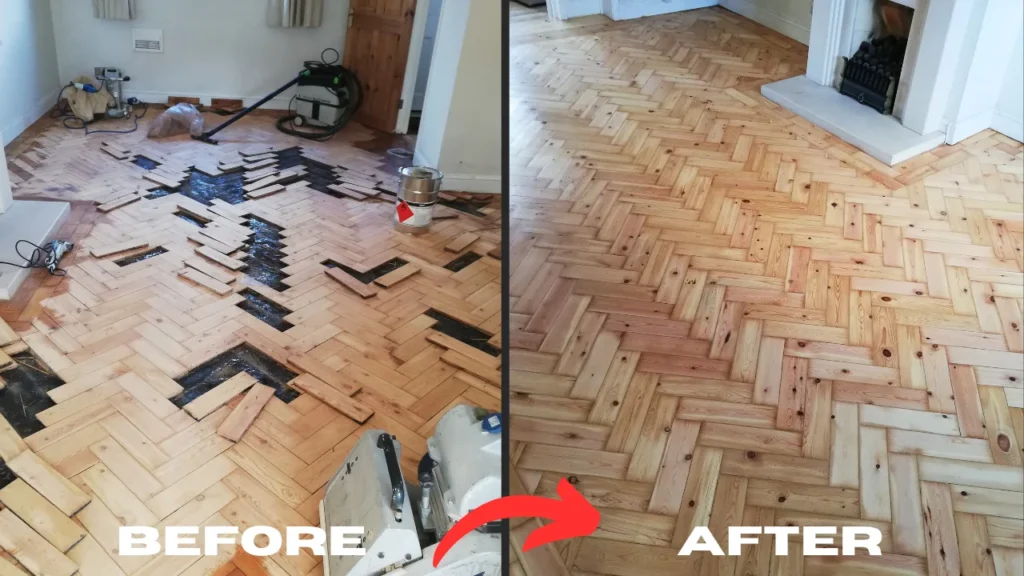
Floor restoration focuses on bringing existing flooring back to life rather than removing it. For hardwood floors, restoration typically includes sanding, repairing damaged boards, and applying a new protective finish.
Restoration works best when:
The wood is structurally sound
Damage is mostly surface level
Floors have enough thickness for sanding
Original materials are worth preserving
Older homes often benefit the most from restoration, especially when original hardwood floors are present.
Benefits of Restoring Existing Floors
Restoration offers several advantages:
Preserves original materials and character
Lower cost than full replacement
Less waste and shorter project timelines
Maintains architectural authenticity
For historic or custom homes, restoration often protects the home’s value while refreshing its appearance.
When Floor Replacement Is the Better Option
Replacement becomes necessary when floors are beyond repair or no longer suitable for the home’s needs.
Replacement is recommended when:
Water damage has affected the subfloor
Boards are warped, cracked, or severely cupped
Previous sanding has reduced thickness too much
Layout changes require new flooring
Homeowners want a different material or style
In these cases, installing new flooring ensures safety, performance, and long term reliability.
Lifestyle and Performance Considerations
Modern lifestyles sometimes demand materials that older floors cannot provide. Homes with pets, children, or moisture-prone areas may benefit from engineered hardwood or luxury vinyl instead of restoring solid hardwood.
Performance factors to consider include:
Moisture resistance
Scratch durability
Maintenance requirements
Daily foot traffic
Professional Assessment Is Key
Determining whether to restore or replace is not always obvious. A professional assessment includes:
Measuring wood thickness
Inspecting subfloor integrity
Identifying moisture issues
Evaluating long term durability
This assessment prevents investing in a solution that may fail prematurely.
"Choosing between floor restoration and replacement depends on condition, budget, and lifestyle. Restoration preserves character and history, while replacement offers a fresh start and improved performance."
Skyline Flooring

Conclusion
For California homeowners, the best decision comes from understanding the true condition of the floors and working with experienced professionals who can recommend the right path forward.